PIP Continental is a finger prosthetic concept developed for a prosthetic design project. My design not only on being functional but also easy for the user to customize themself.
Overview
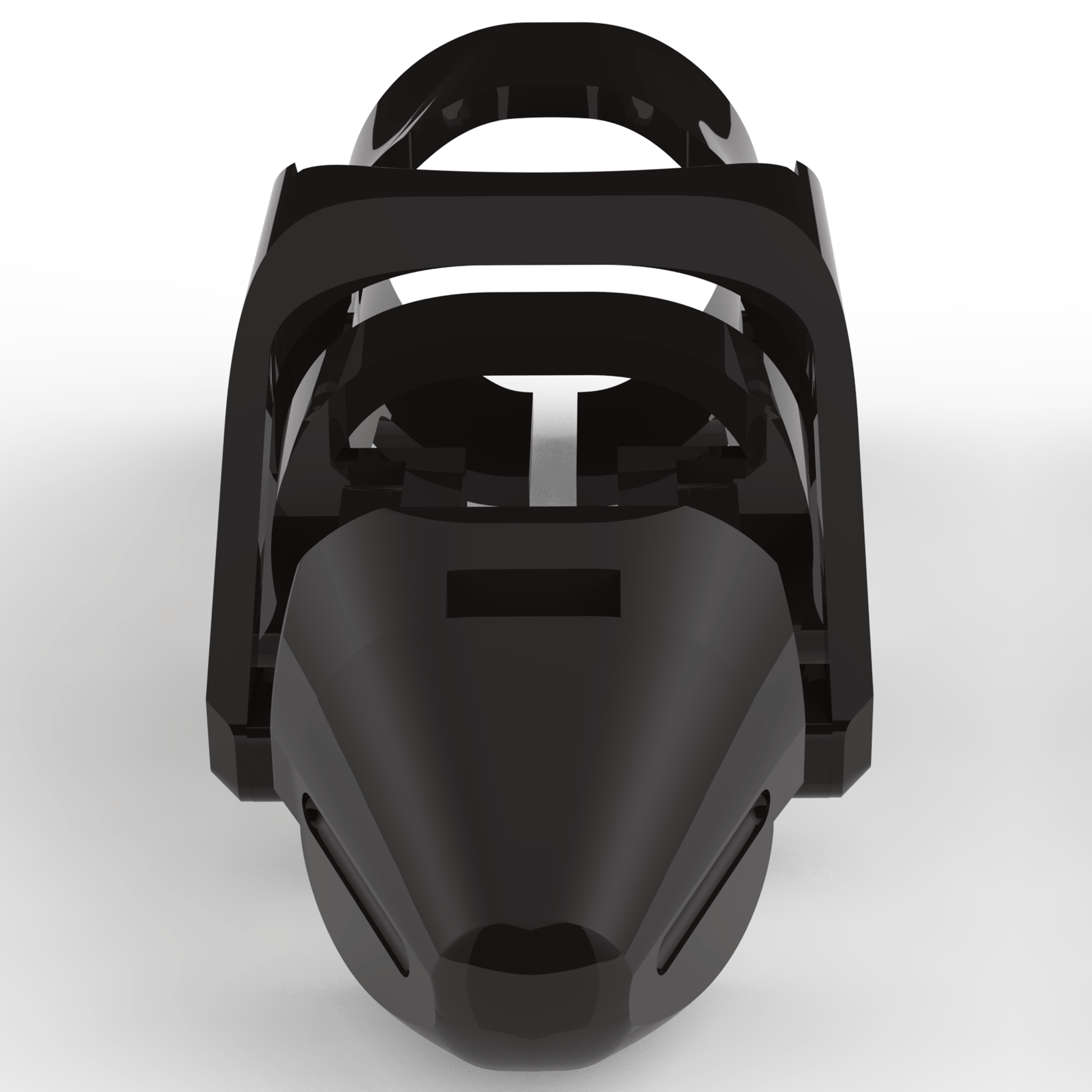
PIP Continental
Persona
Mr. Elliot worked as a Certified Train Conductor for 25 years and now currently works as a Deacon. He lost part of his finger past the PIP joint following an infection cleaning during Superstorm Sandy.
Now that he does counseling and no longer has a physically demanding job, he is more open to prosthetics. He has considered novelty ones, but lack of necessity and price has deterred him previously from purchasing one.
He is not someone who seeks frivolous things, but would appreciate an expressive prosthetic.

Mr. Elliot
Research
The type of amputation that Mr. Elliot received left his PIP, or Proximal Interphalangeal, joint intact, which allows for body-driven prosthetics.This means the final prosthetic can be delivered without needing expensive electronics and sensors for movement.
It will be constructed from Nylon 12 because it has a low coefficient of friction, allowing for smoother use.
By coating the pad of the finger with conductive rubber, the user will be able to interact with touch screens.
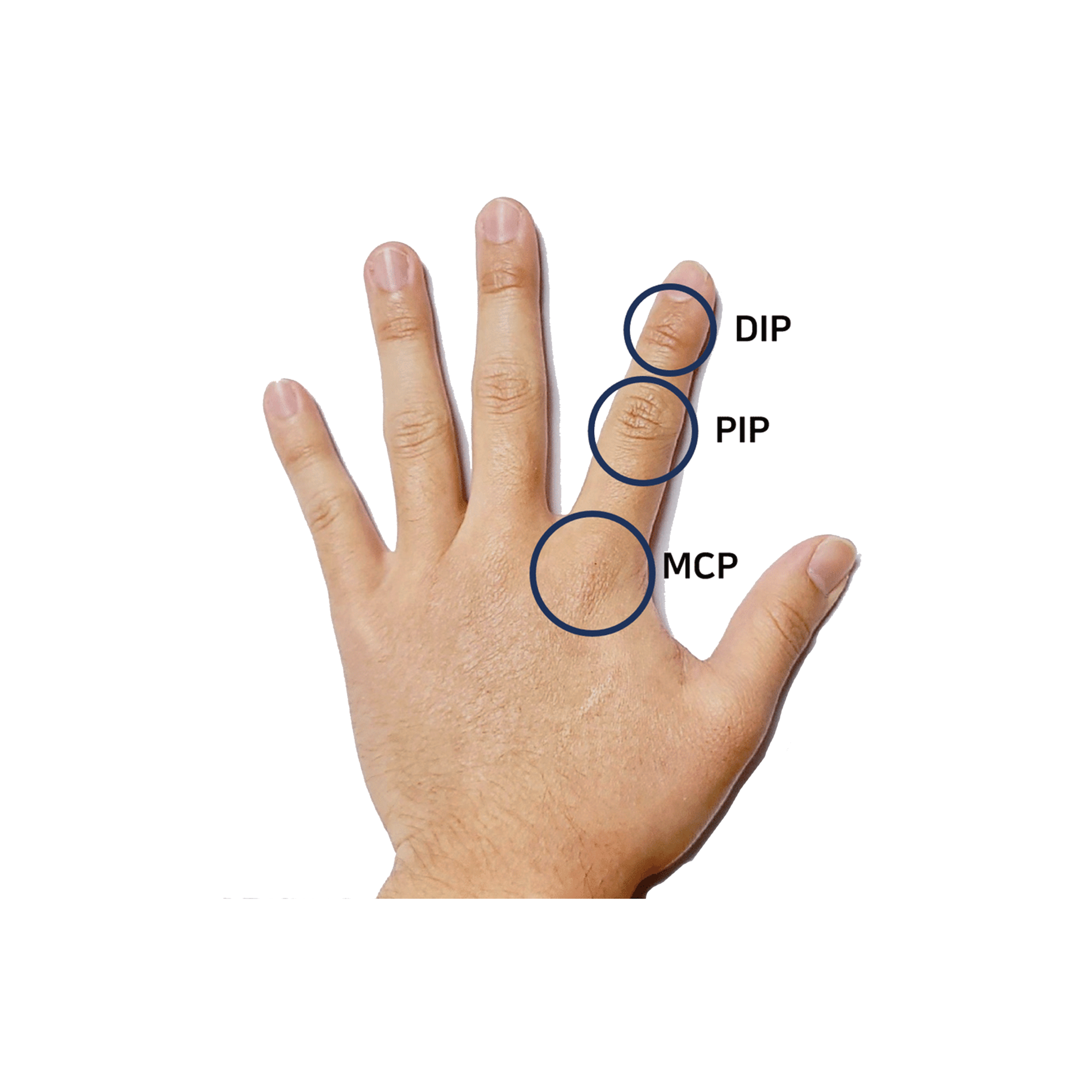
Diagram of the different joints in the finger.
Inspiration
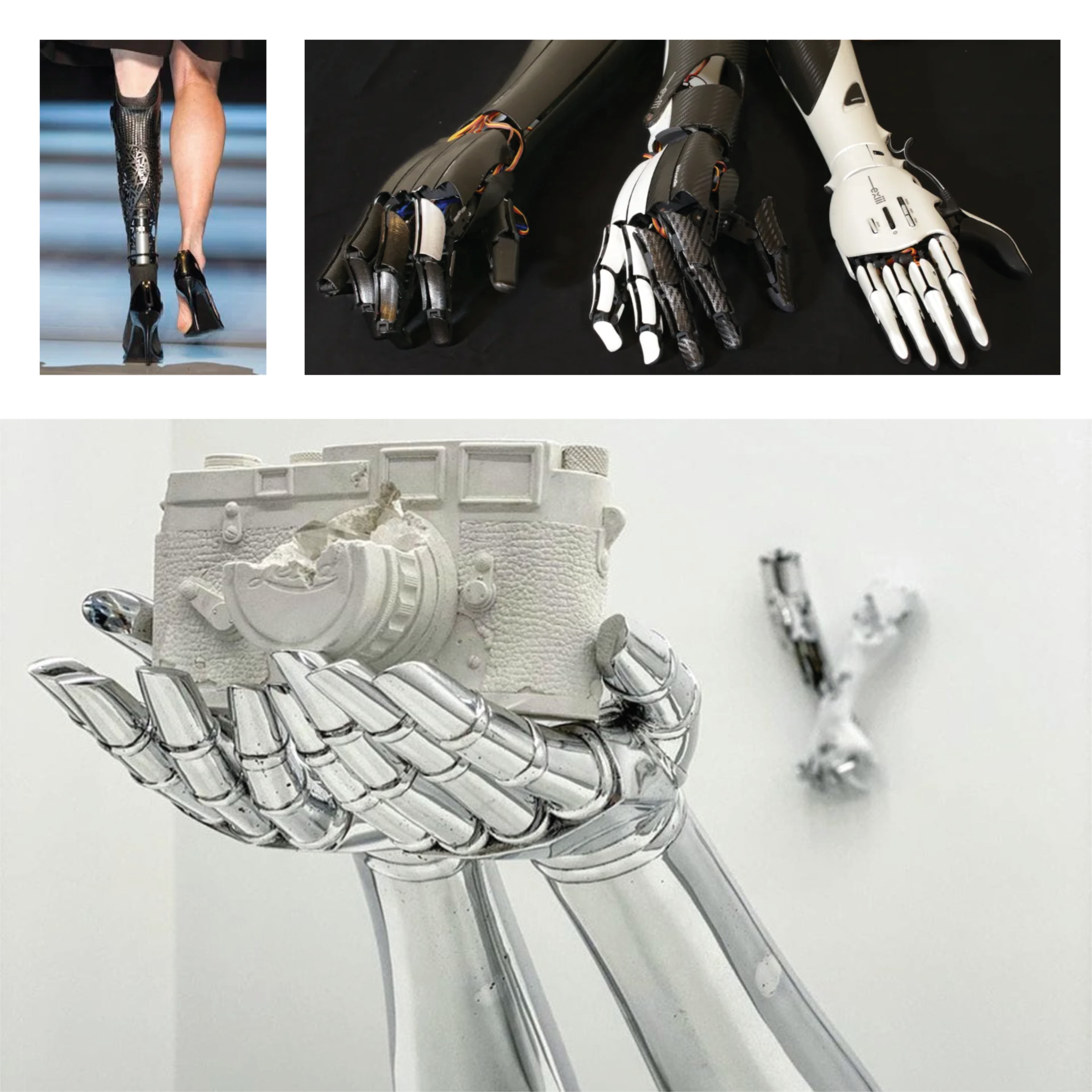
The aesthetic direction was influenced by Hajime Sorayama and a focus on stunning prosthetics that pushed the envelope and had an awe factor.
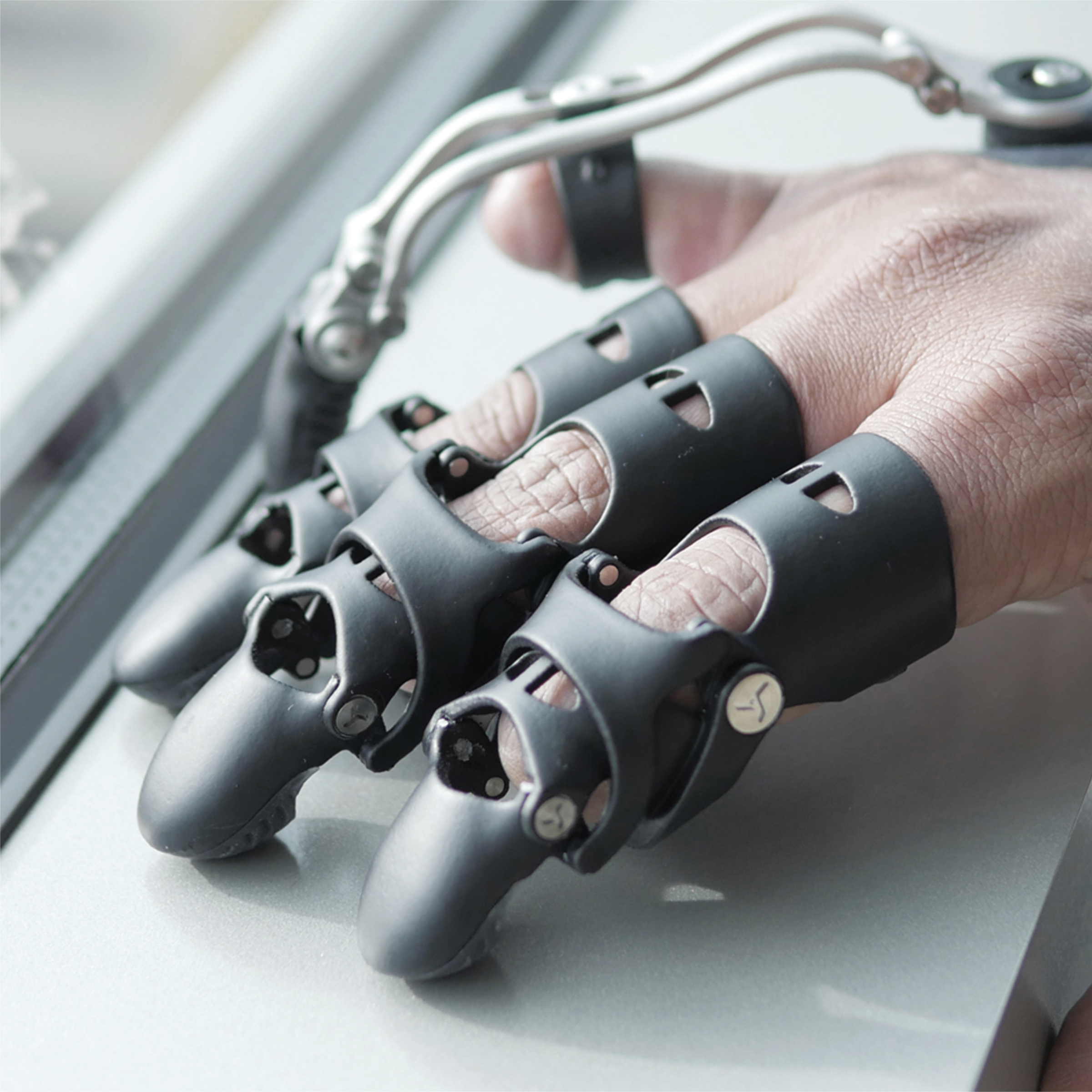
A PIP joint prosthetic from Naked Prosthetics served as another key inspiration point.They use simple engineering to allow the user extend their strength.
Sketches
Many different forms for the prosthetic as well as the decorative modular paneling were explored.
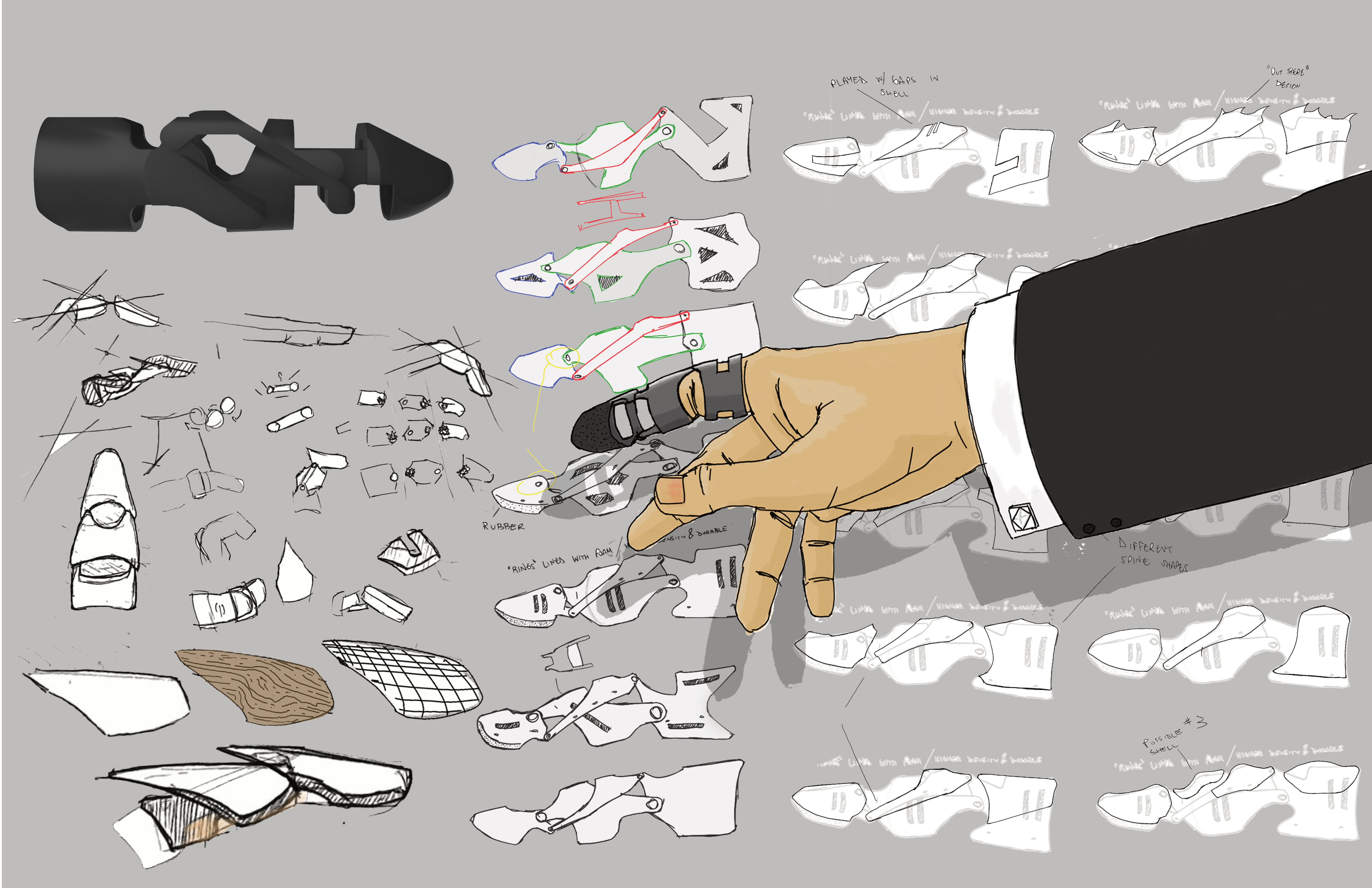
Sketch sheet.
Prototyping
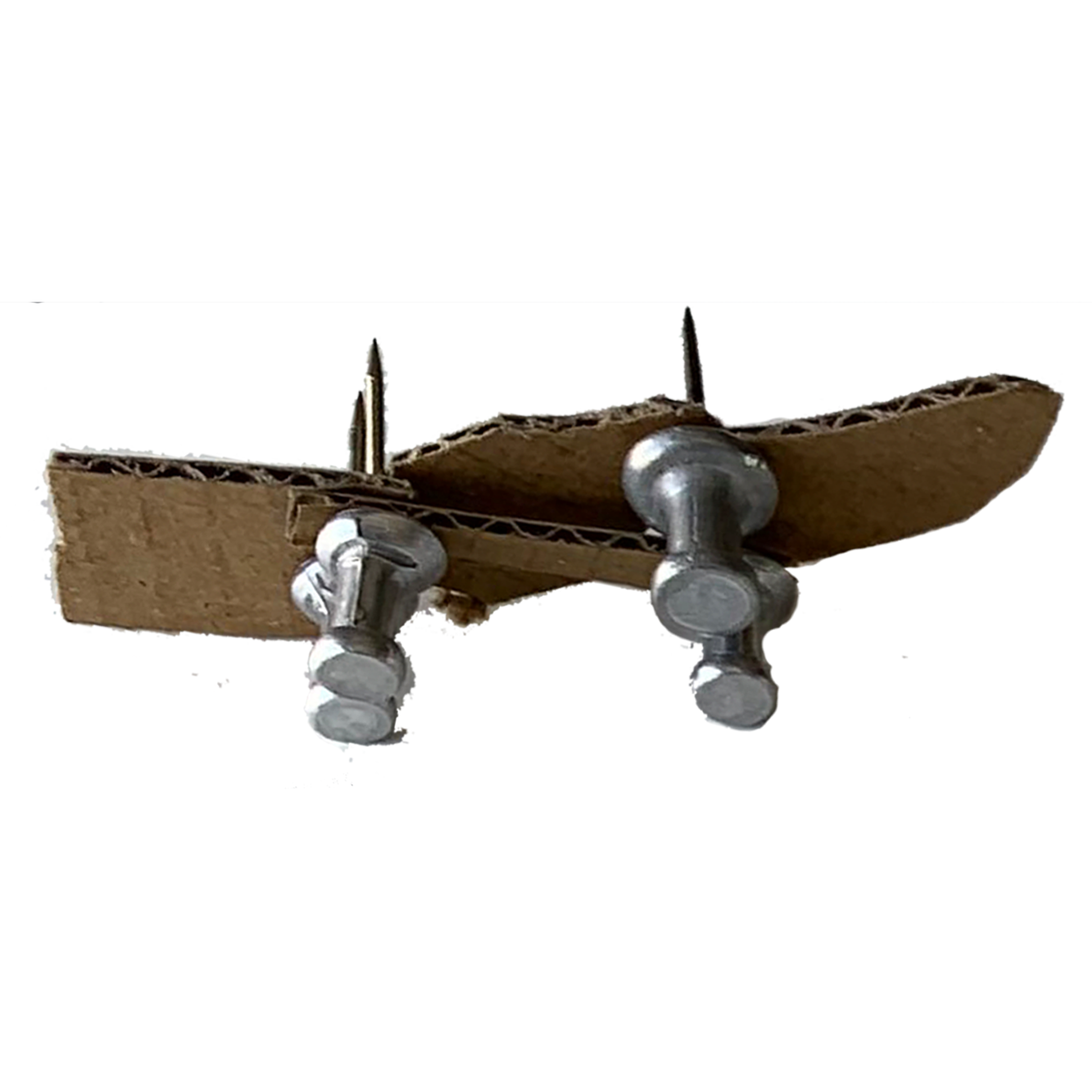
Flat models were made to test basic functionality. A large part of discovery was spent learning how the components could overlap.
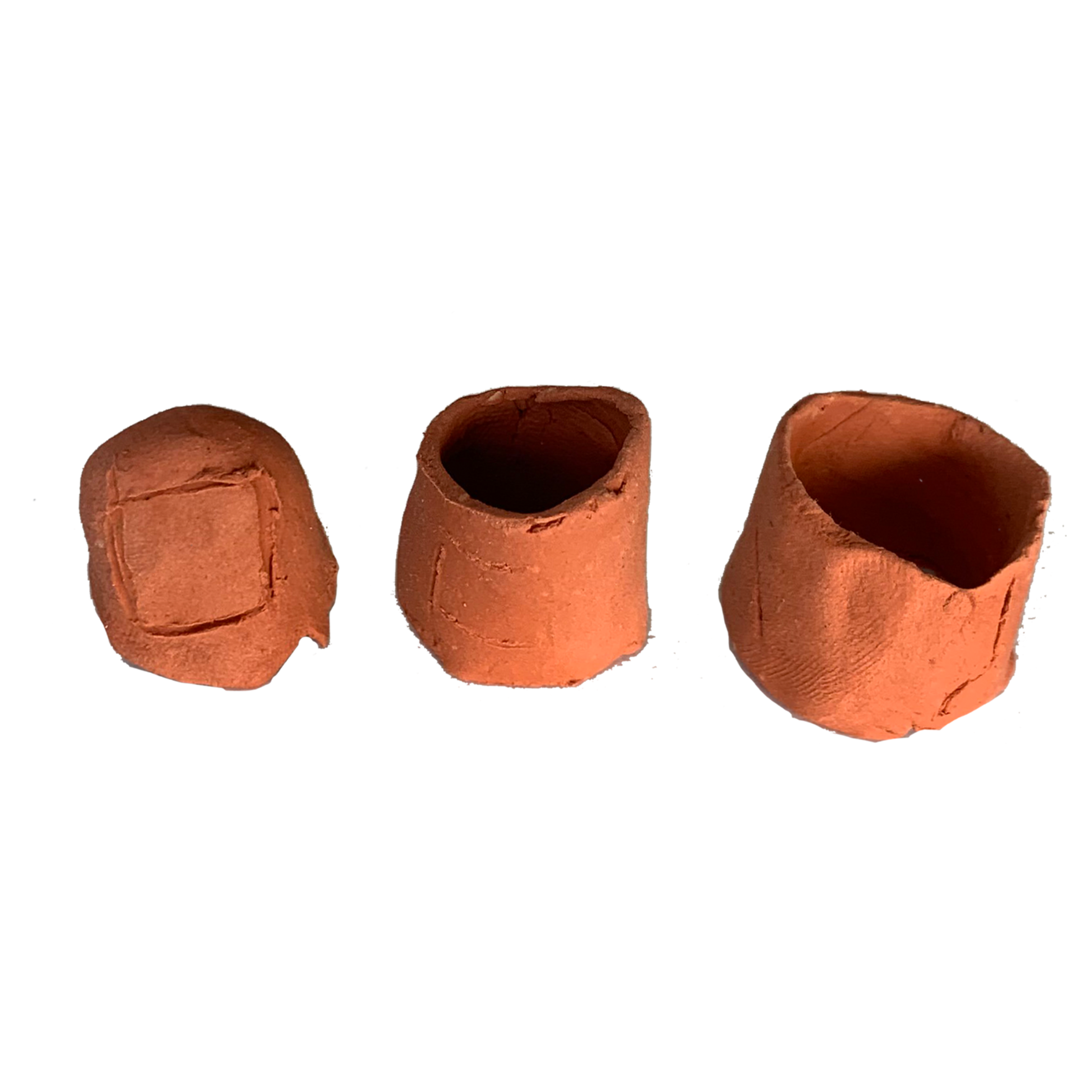
Clay rings were made to determine segment proportions and fit.
The final prototype featured a pin-less design assembled without hardware.
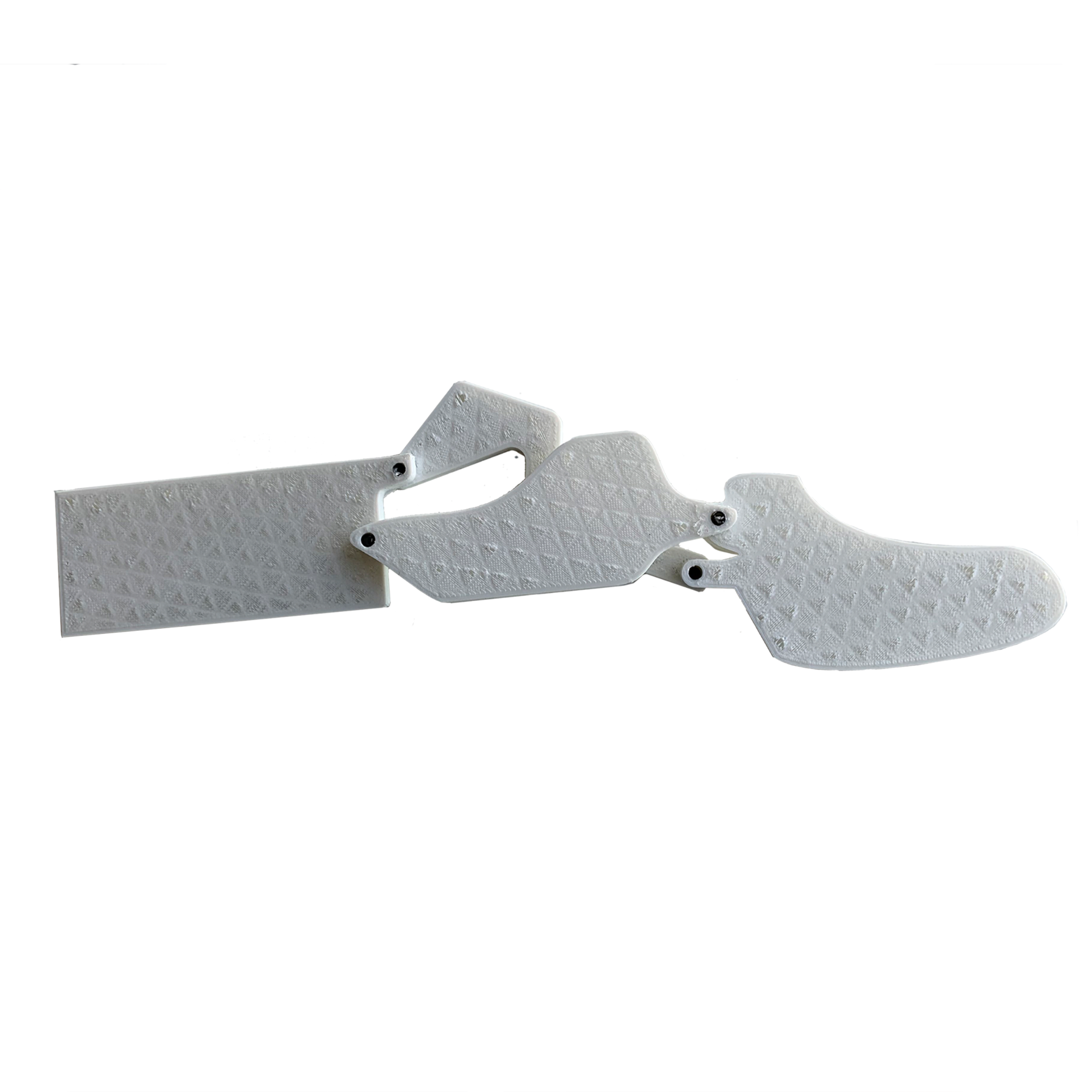
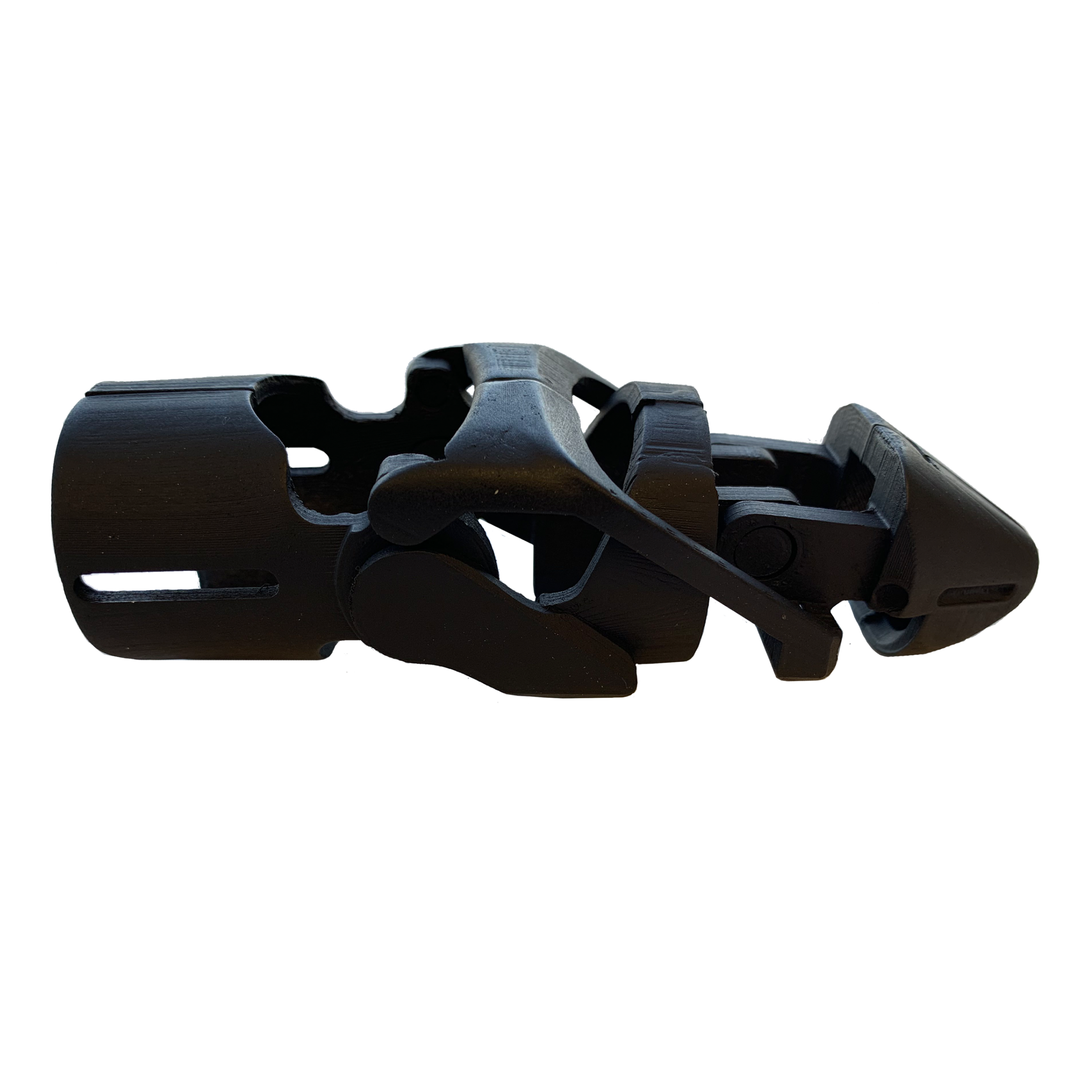
Model
The final version features vents and dimples allow for easy panel attachment. The model also includes a conductive rubber finger pad to easily use touchscreens.
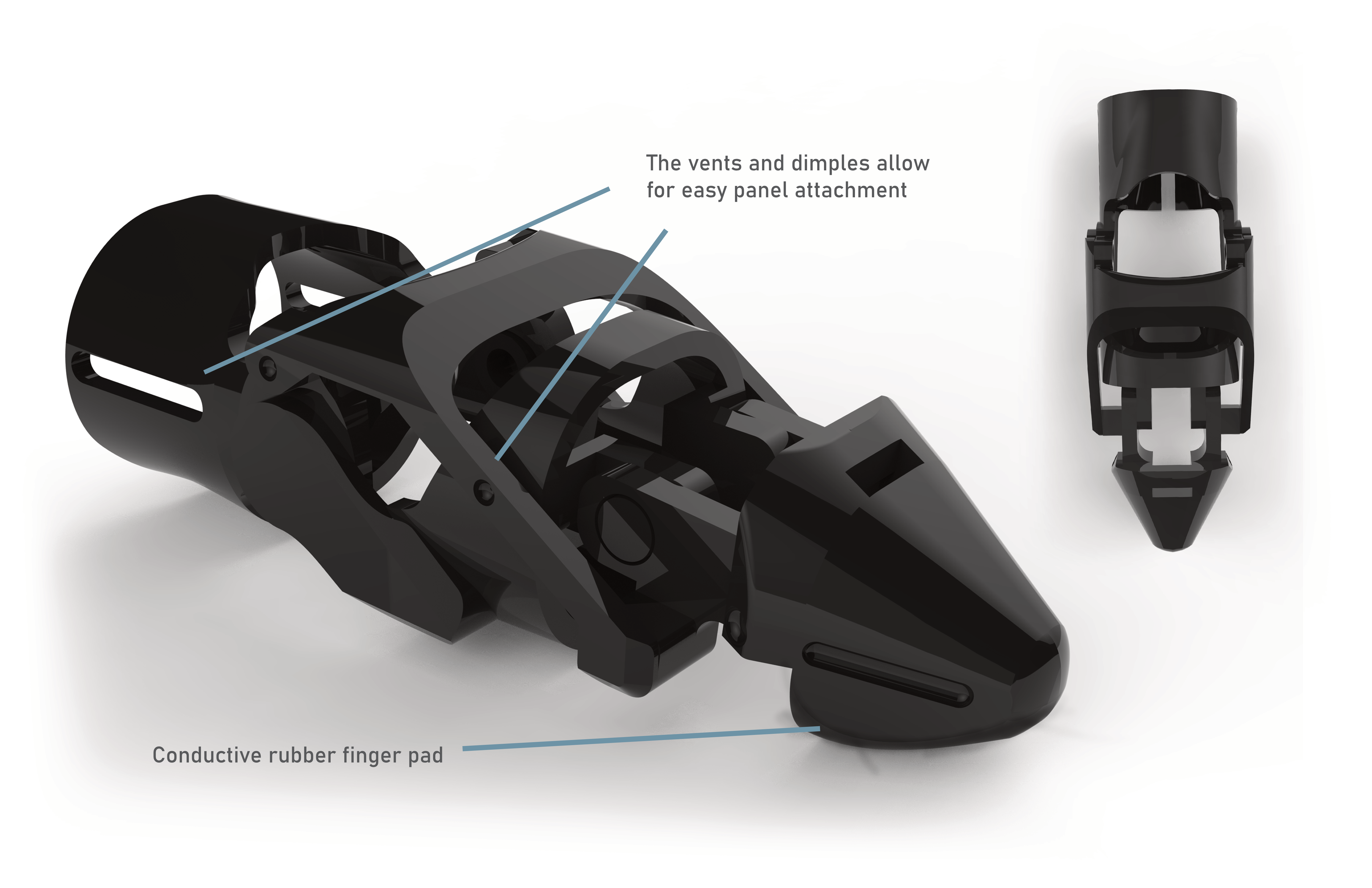
Final model with vents, dimples, and conductive rubber finger pad details.
Modularity
The modular shells will come in a variety of styles and materials.
They can come in a simple and refined look or a more decorative and flashing design. Materials for the shells includes wood, metal, and plastic all in a variety of styles.
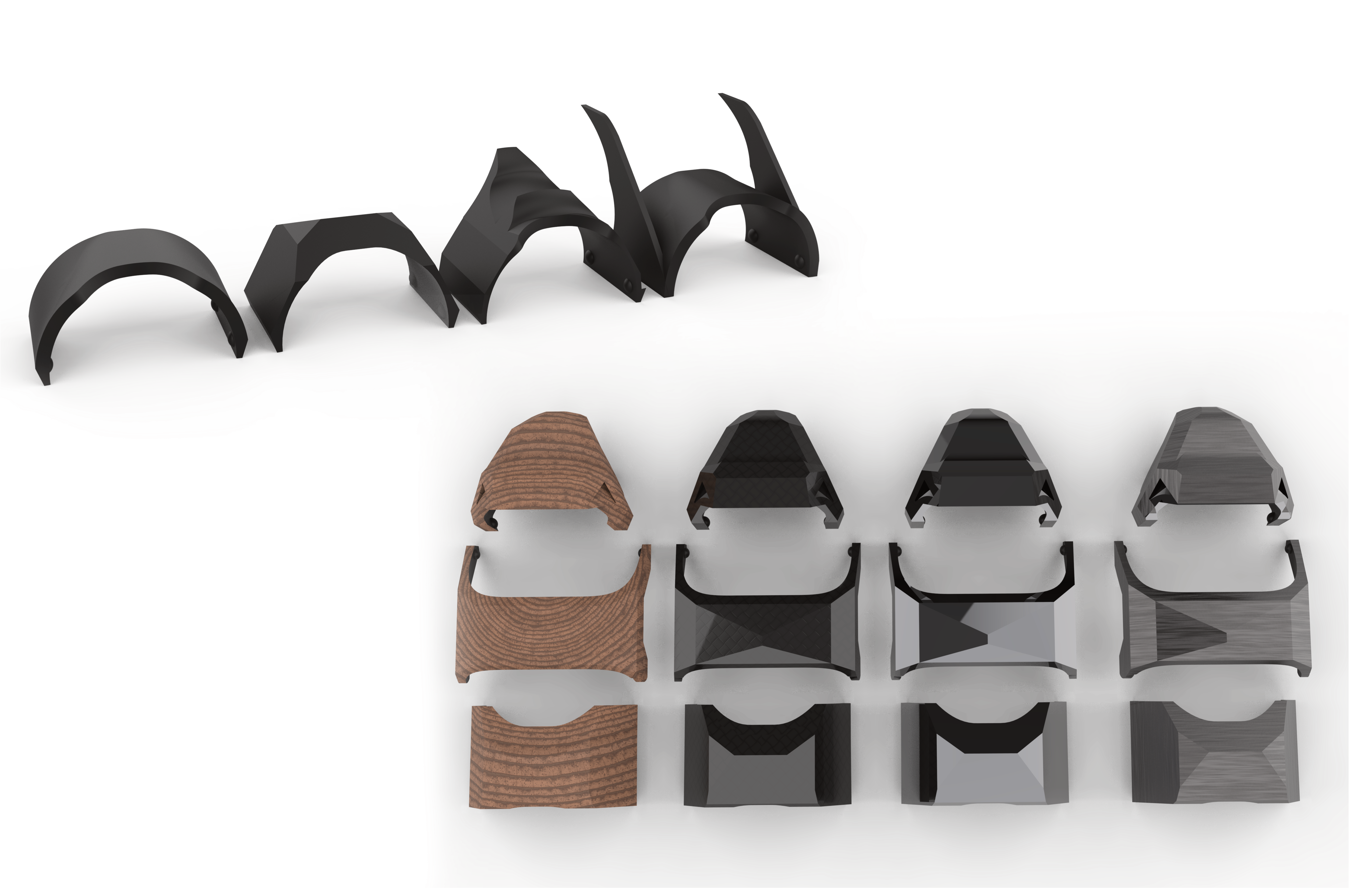
The modular shells.
In Context
The PIP Continental prosthetic is intended to support everyday use while allowing the prosthetic to feel expressive instead of purely functional.
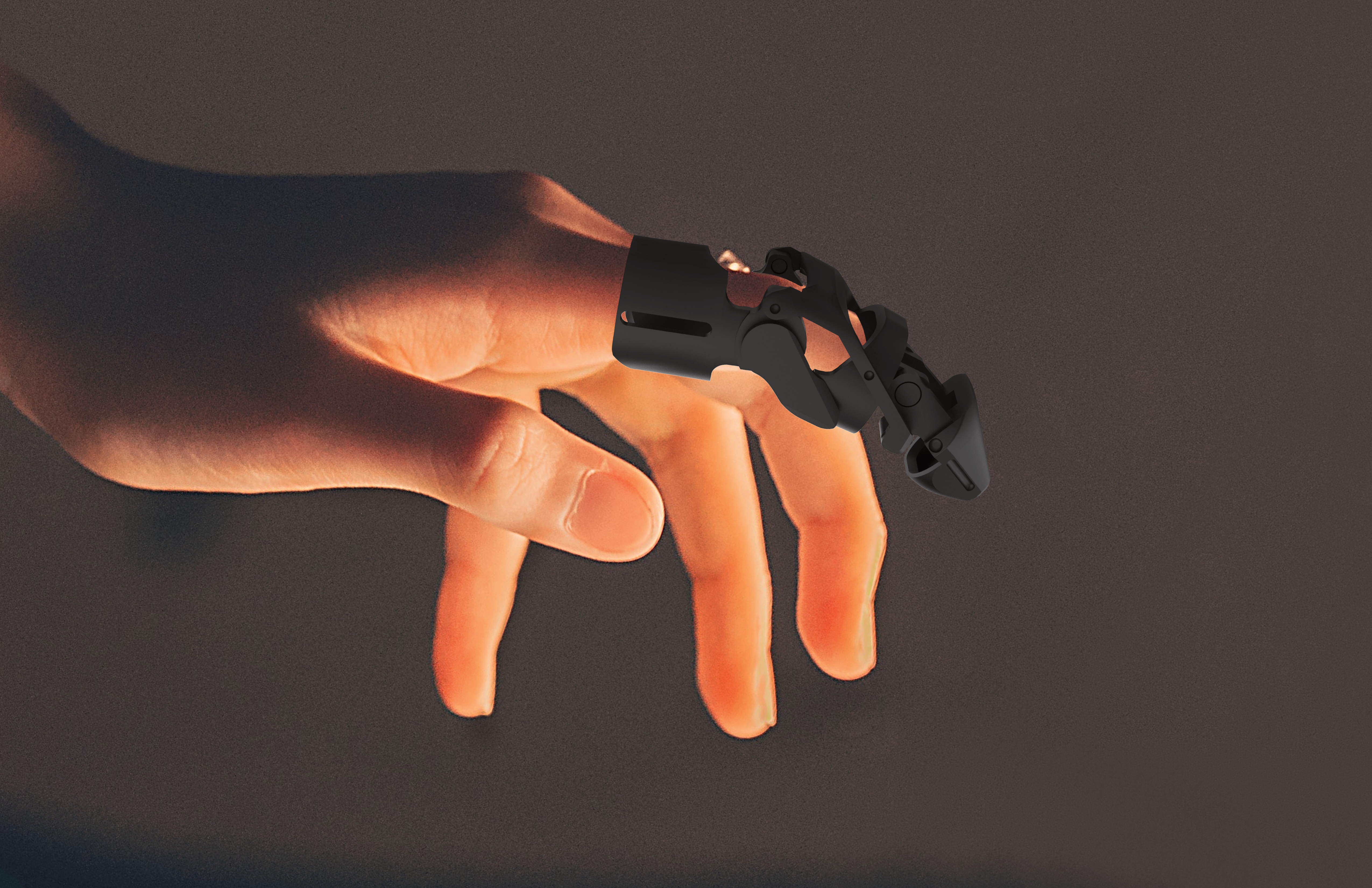
A person wearing the prosthetic.